

About GCC's Adaptation Work
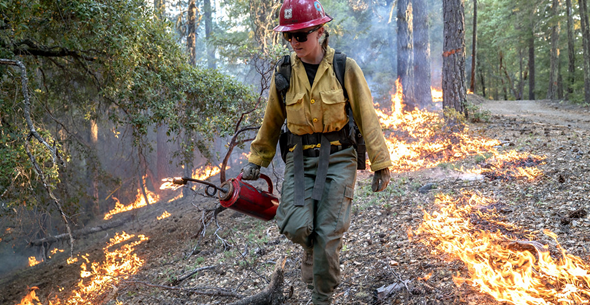
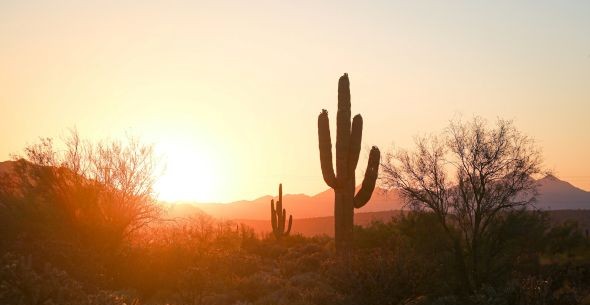
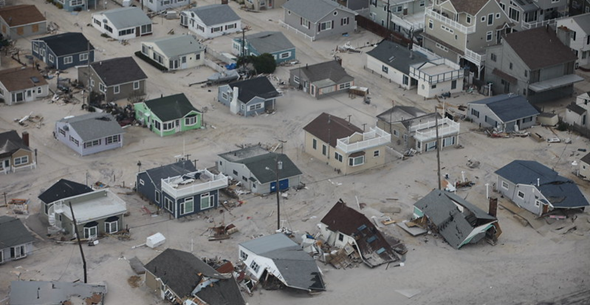
As floods, wildfires, droughts, and heat waves grow more frequent and more severe, state governments and municipal authorities are increasingly on the front lines in preparing for and dealing with the impacts of climate change. Planning for and responding to these climate driven risks requires public officials across the country to develop and implement new approaches, expertise, capacity and policy responses. The Georgetown Climate Center's Adaptation Program supports climate adaptation policymaking at every level of government through practical policy guidance, convening, and strategic implementation support, with a particular focus on responding to the growing risks of flooding, wildfire, extreme heat, and drought.
Supporting adaptation policymaking
GCC works to provide legal and policy analysis as states and communities develop and implement their adaptation plans and strategies. Examples include:
- Supporting the development of better governance structures for adaptation policy through research and analysis, and envisioning new approaches and policy options that boost resilience and adaptation.
- Analyzing federal and state programs to help policymakers invest public resources carefully, purposefully, and in ways that provide the greatest and most durable benefit to communities that need it most.
- Working to enable laws, policies, and programs that encourage smart land-use planning, minimize new development in unsafe places and help at-risk communities adapt. This includes land use, zoning, and conservation policies that reduce dangers to communities and steer development away from risky areas like special flood hazard areas and the wildland-urban interface.
Sharing effective tools, models, and resources
To foster productive public conversations about climate risk and what should be done about it, we publish original research and curate online resources that people and communities can use to understand these ideas. Each installment of our Adaptation Policy in Practice series spotlights one of the nation’s most effective state-level climate adaptation initiatives, presenting practical models for leaders building comprehensive adaptation programs. GCC also prepares and publishes toolkits on adaptation planning and implementation, and provides information on adaptation efforts at all levels of government through our State Adaptation Progress Tracker and our Adaptation Clearinghouse database. Together these tools give policymakers and advocates instant access to thousands of laws, reports, case studies, policy examples, and other resources relating to climate change impacts and adaptation.
Convening adaptation professionals to learn from experts and each other
GCC brings together practitioners from across the country both in person and virtually to share their experiences and learn from each other. Every other month, our State Policy Forum leverages the lessons from our Adaptation Policy in Practice series, hosting a focused conversation with leaders of an exemplary state adaptation initiative as a model for other states to consider. Our Regional Collaboratives Forum harnesses the power of regional collaboration on a national scale, connecting more than 35 regional climate collaboratives and networks to share strategies and learn from one another. These opportunities help states and communities learn from their peers working on similar issues, and help practitioners at all levels of government build new partnerships and collaborate more effectively.
Preparing future adaptation leaders
We also provide opportunities for Georgetown Law and Georgetown University students to gain real-world experience in the development of climate adaptation policy through legal and policy research and writing, and engagement with partner jurisdictions.
If you have questions about our work or partnering with us, please email climate@georgetown.edu.
Adaptation Policy in Practice | Arizona Extreme Heat Preparedness Plan: Mobilizing Government to Protect People and Communities
August 19, 2026
Fourth Installment in GCC’s Adaptation Policy In Practice Series Extreme heat is the deadliest weather-related hazard in the United States. Heat also disrupts the lives of millions of Americans, touching nearly every...
Coming together for climate resilience at the 2026 National Adaptation Forum
June 3, 2026
GCC was thrilled to be a sponsor of the largest climate adaptation conference in the U.S. Hosted by EcoAdapt, the 7th National Adaptation Forum drew over 900 registrants from government, non-profits, academia, community-based organizations, foundations, and more. Georgetown Climate Center staff hosted sessions and connected with partners new and familiar across the field.
Catch up with GCC at the 2026 National Adaptation Forum!
May 11, 2026
Will you be one of the many climate adaptation and resilience professionals at the upcoming 7th National Adaptation Forum in Pittsburgh, Pennsylvania? GCC is thrilled to be a sponsor of the Forum. Here’s where you...
Adaptation Policy in Practice | ConserveVirginia: Building Flood Resilience through State Land Conservation
April 20, 2026
Third Installment in GCC’s Adaptation Policy in Practice Series Land conservation can play a vital role in a state’s comprehensive approach to addressing the risks of flooding. However, identifying and prioritizing...
Adaptation Policy in Practice | The Strengthen Alabama Homes Program: A State Model for Wind Mitigation Retrofits
February 19, 2026
Second Installment in GCC’s Adaptation Policy in Practice Series In Alabama, like in many coastal states, tens of thousands of homes are susceptible to damage from increasingly severe hurricanes and tornadoes, yet the...
Blog | Better Together: Celebrating Regional Resilience Successes
February 2, 2026
Regional Collaboratives Forum (RCF) celebrates 50th meeting & continued success These days, the outlook for so much of U.S. climate adaptation policy is in flux. Federal leadership is pulling back critical funding...
Blog | New Federal Water Rule Would Weaken Flood Protection for People & Communities
December 16, 2025
When a developer wants to develop areas such as wetlands or intermittently flowing streams, the Clean Water Act requires them to get a permit. The Army Corps of Engineers reviews these projects to assess how they'll...
Adaptation Policy in Practice | How New Jersey is Breaking the Cycles of Repetitive Flood Loss
December 11, 2025
First Installment in GCC's Adaptation Policy in Practice Series People living in flood-prone homes face a problem that property insurance and emergency response cannot solve. When homes flood repeatedly, the damage...
Issue Brief | Virginia's Community Flood Preparedness Grant Program: A Model for State Climate Adaptation Funding
July 31, 2025
In this environment of federal retreat from climate adaptation, Virginia's Community Flood Preparedness Fund (CFPF) stands out as a proven model for how states can build their own comprehensive flood resilience programs.
Issue Brief | Fixing Emergency Management for Americans (FEMA) Act of 2025
June 3, 2025
A Climate Adaptation Analysis As climate change intensifies, communities across the United States are experiencing increasing frequency and severity of floods, wildfires, hurricanes, and other natural disasters. The...