

Blog | Resilience in Action: Insights from the 2024 Southwest Adaptation Forum
March 28, 2024
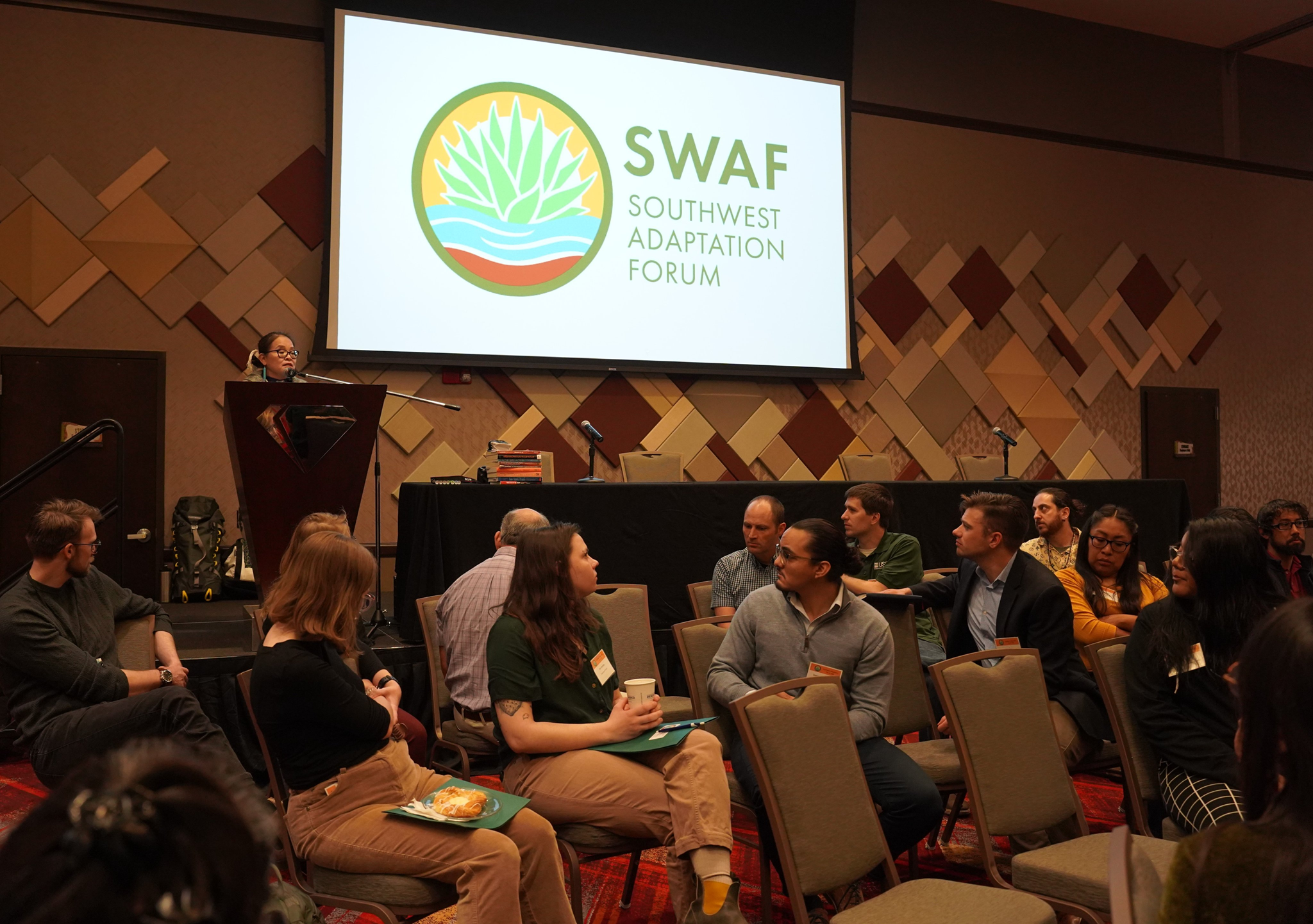 |
| GCC Institite Associate Shapes Padilla (center) listens in as Dr. Karletta Chief, Director of the Indigenous Resilience Center at the University of Arizona, welcomes participants of the 2024 Southwest Adaptation Forum. Image courtesy of IRes. |
By Damian Shapes Padilla, GCC Institute Associate
As an Institute Associate at the Georgetown Climate Center, I had the privilege of traveling down to Tucson, Arizona, for the 2024 Southwest Climate Adaptation Forum sponsored by the USDA Southwest Climate Hub and partners. At the GCC, we value these forums to gain insights into ongoing adaptation and resilience efforts across the country. Some of my key takeaways from SWAF include: the urgent need to mitigate extreme drought, the significance of integrating Indigenous knowledge in adaptation and resilience planning, and the value of fostering partnerships for resilience-building efforts.
Mitigating Extreme Drought
To kick off the Forum, we were privileged to hear from Emile Elias, the lead author of the Southwest chapter of Fifth National Climate Assessment (NCA5) and Director at the USDA Southwest Climate Hub. She provided an insightful overview of the challenges outlined in the chapter, underscoring the critical importance of addressing high-levels of drought in the western region. Drought can often be overshadowed by floods, fires, and extreme weather events, but it demands attention due to its profound and lasting impacts on water resources, ecosystems, agriculture, and communities. She highlighted how climate change has reduced surface water and groundwater availability, exacerbating water scarcity for both human and natural systems. This scarcity worsens existing supply-demand imbalances and threatens food security, while also intensifying wildfires, compromising agricultural productivity, and reshaping landscapes. Her presentation also warned of future intensification of drought and aridity due to higher temperatures, underscoring the urgency of addressing this issue.
San Xavier Co-Op Farm Field Trip: Integrating Indigenous Knowledge
Amidst myriad field trip options, I chose to visit the San Xavier Co-Op Farm, where participants gained insights into the challenges faced by the Tohono O'odham Nation and other neighboring tribes in securing their water rights and ensuring future resource preservation for the Tribe and surrounding communities. The co-op is no ordinary farm, though —it stands as a testament to cultural resilience and preservation efforts, with practices passed down through generations and adapted to incorporate tradition into the modern world.
Forum participants learned about how the farm's history is deeply rooted in its reliance on the Santa Cruz River, which sustained generations of Indigenous communities through agriculture. Despite challenges like the General Allotment Act of 1887, which fragmented Native land ownership in the region, the community persevered. The farm persevered and secured water rights, ensuring its continued operation for the benefit of the Tohono O'odham Nation and neighboring tribes.
Today, the farm sits on hundreds of acres of land just south of Tucson, it is owned by the San Xavier Cooperative Association and is located on the Tohono O’odham Nation in the San Xavier District, within the ancestral village of Wa:k. One distinctive feature is its seed garden, covering about an acre, dedicated to cultivating traditional seeds. Here, traditional seeds are cultivated and preserved with great care, ensuring the continuity of the Tohono O'odham Nation's agricultural practices and cultural traditions. Each seed harvested from this garden represents a link to the past and a promise for the future. Notably, the farm offers unique items like Ciolim, or Cholla Buds, which serve as excellent sources of calcium and provide a direct connection to the rich cultural and culinary traditions of the Tribes in the area.
In a sense, the seed garden stands as an embodiment of Tribal resilience, showcasing the profound stewardship that Indigenous tribes have exercised over the lands they've inhabited for millennia. It serves as a reminder of their enduring connection to the environment and their commitment to preserving traditional knowledge and practices. Through the cultivation and preservation of these seeds, the Tohono O'odham Nation not only honors their ancestors' legacy but also ensures the sustainability of their way of life for generations to come.
Building Collaborative Networks and Relationships: SWAF Programs and Resources
Additionally, GCC makes it a priority to participate in these conferences to expand our network and gather insights about the available resources and programs that are doing amazing work in the southwest. Some notable programs and resources include:
- The Indigenous Resilience Center (IRes) is dedicated to collaborating with Indigenous communities on various initiatives focusing on food, water, and energy. The Center identifies resources and co-designs solutions to support Indigenous initiatives, addressing pressing issues such as environmental health disparities, educational opportunities for Tribal students, sustainable agricultural practices, water security, and the impacts of climate change. These projects encompass research, community engagement, capacity building, and the promotion of Indigenous data sovereignty and governance. IRes aims to promote resilience and improve the well-being of Indigenous communities through collaborative efforts and innovative solutions. Our visit to the Co-op Farm showcased the remarkable resilience of these Indigenous communities, preserving their cultural heritage through agriculture. As the Co-op farm embodies Indigenous resilience, IRes is also working hard to address pressing issues relating to climate impacts. Similarly, GCC is currently updating the GCC Equitable Adaptation toolkit, closely aligning with IRes's objectives. While IRes emphasizes collaborative efforts and innovative solutions to enhance resilience and well-being within Indigenous communities, our toolkit focuses on furnishing practical resources and strategies for ensuring equitable adaptation to climate change impacts, specifically tailored to Tribal efforts. Recognizing the need for comprehensive guidance on collaborating with Tribal governments, particularly concerning the legal complexities influenced by Federal Indian law, GCC aims to help fill this gap.
- The Sustainable Cities Network, led by Arizona State University, connects research to real-world challenges in Arizona, fostering sustainable cities through collaboration on land use, transportation, water management, and social services.
- The Southwest Fire and Climate Adaptation Partnership, (SWFireCAP) addresses climate challenges in the southwest by promoting collaboration across organizations, integrating Indigenous knowledge, and focusing on cultural burning, adaptation, and climate training.
- The Water Adaptation Techniques Atlas is a comprehensive resource for addressing water scarcity challenges in the southwest amidst climate change, economic growth, and population expansion. It documents a wide array of adaptation efforts, ranging from reducing water consumption to implementing innovative water management practices. Each case in WATA provides valuable insights into specific solutions, allowing users to critically evaluate their effectiveness and suitability for different contexts.
Overall, the 2024 Southwest Climate Adaptation Forum emphasized the importance of addressing climate challenges collaboratively and innovatively. Moving forward, it's essential to leverage diverse resources and approaches to tackle climate impacts effectively and ensure a sustainable future for the Southwest region.
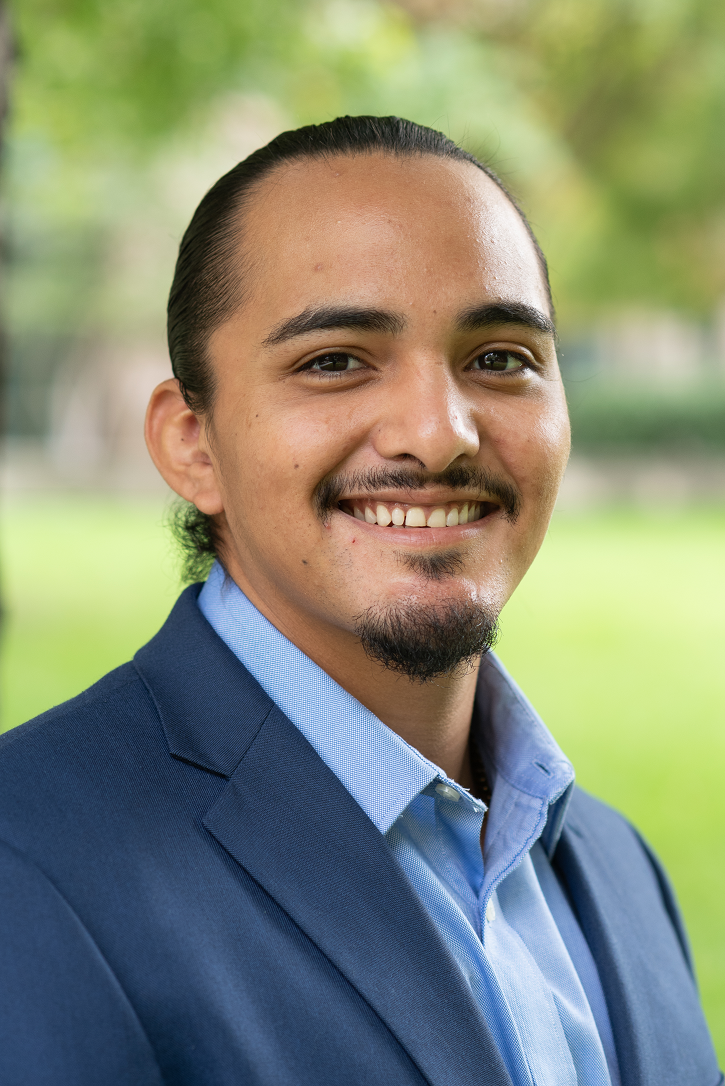
Damian Shapes Padilla is an Institute Associate on the Adaptation Team at the Georgetown Climate Center. His work includes research, writing, legal policy and analysis related to GCC’s federal, state, and local resilience work. He engages with government practitioners, community-based organizations, and other stakeholders to provide climate-informed planning and policymaking. During this process, he will also be reaching out to Tribes, Pueblos, and Nations, working to identify and provide resources related to tribal-led climate adaptation practices. Shapes is a Tribal member of the Pueblo of Isleta, located just south of Albuquerque along the Rio Grande River.