

Our Team
William W. Buzbee

William W. Buzbee is the Faculty Director of the Georgetown Climate Center. He holds the inaugural Edward and Carole Walter Professor chair and is a Professor of Law at Georgetown University Law Center. He also serves as the Faculty Director of Georgetown Law’s Environmental Law & Policy Program. In his teaching and scholarship, he specializes in environmental law, legislation and regulation, and administrative law. Recent publications focus on climate regulation, deregulation and law governing agency policy change, and federalism. He also offers seminars on advanced environmental, regulatory, and constitutional law subjects, with his most recent seminar focused on “The Art of Regulatory War.”
Professor Buzbee clerked for United States Judge Jose A. Cabranes, and before becoming a professor was an attorney-fellow at the Natural Resources Defense Council, and did environmental, land use and litigation work for the New York City law firm, Patterson, Belknap, Webb & Tyler. JD, Columbia Law School, 1986; BA, Amherst College, magna cum laude, 1983. Read his full bio on the Georgetown Law website.
Joshua Ash

Joshua Ash is an Affiliated Fellow at the Georgetown Climate Center, and a Clinical Assistant Professor of Law and Director of the Environmental Law & Policy Clinic at the University of Pittsburgh School of Law. He collaborates with the Climate Center on topics including the Climate Pollution Reduction Grant (CPRG) program, the Low Carbon Transportation Materials Grant program, and state Buy Clean policies.
Melissa Birchard

Melissa E. Birchard is Mitigation Program Director at the Georgetown Climate Center, where she directs clean energy, transportation, infrastructure, and climate-related initiatives that strengthen community outcomes by reducing the impacts of climate change, increasing access to economic opportunity, and improving environmental health.
Prior to joining the Georgetown Climate Center, Melissa served as Senior Policy Advisor in the Grid Deployment Office at the U.S. Department of Energy, where she contributed to the establishment and implementation of multi-billion-dollar programs and served as lead creating and advancing energy and environmental justice initiatives. She has also served as Director for Clean Energy and Grid Transition at the Acadia Center and Senior Attorney at Conservation Law Foundation and has represented clients at energy-focused law firms. She has represented state and local governments, clean energy companies, community choice aggregators, transportation electrification companies, municipal utilities, and non-profit organizations in states and regions across the country. Her work has addressed topics ranging from demand response and energy efficiency, to electric transmission and wholesale markets, to climate laws and environmental justice.
Melissa holds a law degree from Georgetown University, a Masters from UCLA, and a Bachelors from Bryn Mawr College.
Grant Black
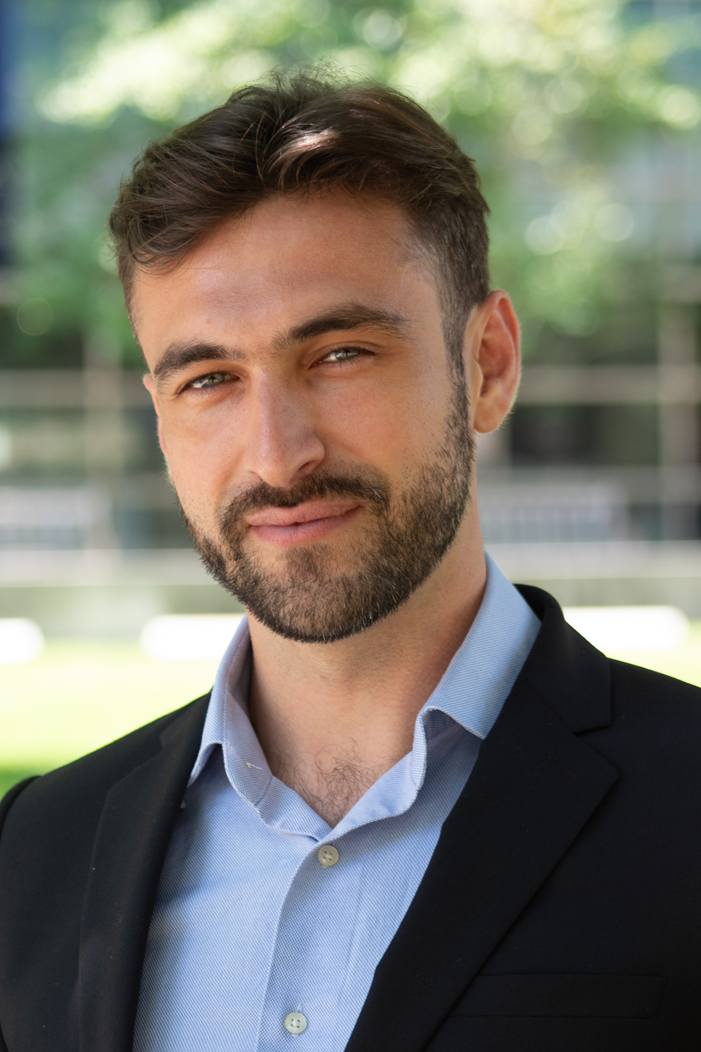
Grant Black is a Climate Fellow in the Mitigation Program at the Georgetown Climate Center. Grant conducts legal research and analysis on matters pertaining to renewable energy deployment, regulatory compliance, and national security. His previous experience includes litigation, where he worked on the trial team for the first U.S. constitutional climate trial, Held v. Montana, with the law firm Our Children's Trust. Grant has also worked on a law and policy pertaining to critical mineral supply chains on behalf of Securing America's Future Energy, Silverado Policy Accelerator, and the Commodity Futures Trading Commission. He received his J.D. from Georgetown University Law Center, where founded and hosted Georgetown Law's Climate Change and National Security Symposium during his 2L and 3L years in concert with the Center for National Security and the Environmental Law Program.
Marisa Borreggine

Marisa Borreggine is an Institute Associate in the Adaptation Program at the Georgetown Climate Center. She focuses on policy analysis to help local, state, and federal governments address impacts from the changing climate. Marisa is the lead coordinator for GCC's bimonthly State Policy Forum. Prior to joining GCC, Marisa was the 2024 John A. Knauss NOAA Sea Grant Fellow at the Coastal States Organization and FEMA's Hazard Mitigation Assistance Division, where they focused on coastal hazards, planning, and mitigation. Previously, they were a Postdoctoral Fellow in the Department of Earth and Planetary Sciences at Harvard University. She also earned her PhD in this department with a Secondary Field in Archaeology. Marisa's doctoral research examined how past sea-level change impacted human migration events across the world. They hold a B.S. in Oceanography with minors in Environmental Sciences and Resource Management & History from the University of Washington.
Nate Burnand
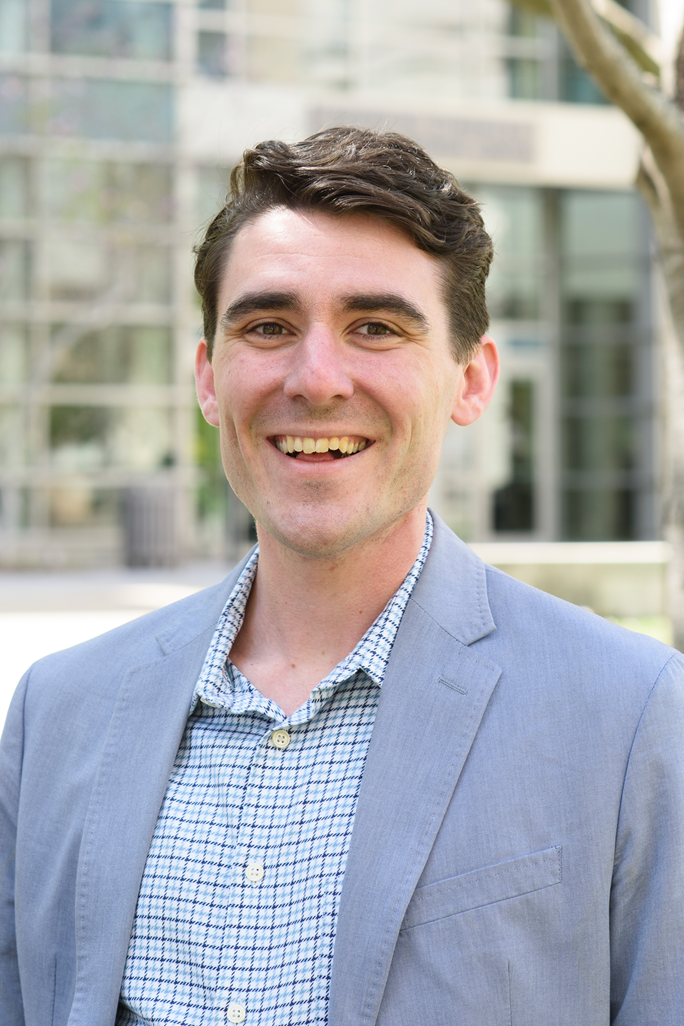
Nate Burnand is a Senior Associate in the Mitigation Program at Georgetown Climate Center. Nate leverages a mix of policy analysis, regulatory expertise, and stakeholder engagement to help federal, state, and local governments mitigate climate change. Prior to joining GCC, Nate was a Senior Analyst at the Michigan Public Service Commission (MPSC) where he focused on working with partners throughout state government and beyond to implement the Inflation Reduction Act (IRA) as well as the Infrastructure Investment and Jobs Act (IIJA). Nate also served as an issue specialist in Governor Whitmer’s administration where he focused on criminal justice issues. Nate holds a Masters of Public Policy (MPP) and a B.A. in International Relations from Michigan State University.
J. Peter Byrne
Peter Byrne is an Affiliated Scholar with the Georgetown Climate Center, and the John Hampton Baumgartner, Jr. Professor of Real Property Law at Georgetown Law. He previously served as the Faculty Director for GCC, and for the Georgetown Environmental Law and Policy Program. Professor Byrne joined the Georgetown Law faculty in 1985. After graduation from the University of Virginia law school, he served as a law clerk to Judge Frank Coffin and U.S. Supreme Court Justice Lewis Powell and then worked as an associate with the D.C. firm of Covington & Burling. He teaches and writes in the areas of Property, Land Use, Constitutional Law, and Higher Education Law and Policy. He served as Associate Dean for the JD Program from 1997 to 2000. He was John Carroll Research Professor in 1996-97.
Matthew Goetz

Matthew Goetz is the Associate Director, Mitigation Program, at the Georgetown Climate Center. He supports efforts by federal and state policymakers to advance climate and clean energy policies, including reducing emissions from the power and transportation sectors. Matthew's work focuses on the implementation of federal clean energy funding, including for strategically deployed electric vehicle charging infrastructure, as well as the development of climate pollution regulations at the federal and state levels. Matthew leads the development of legal and policy resources and facilitates regional and multi-state working groups.
Prior to joining the Climate Center, Matthew worked at the AES Corporation and completed legal clerkships at the U.S. EPA Office of Enforcement and U.S. EPA Office of Water. Matthew earned a J.D. from Georgetown University Law Center and a B.A. in political science from Wake Forest University.
Eleanor Green
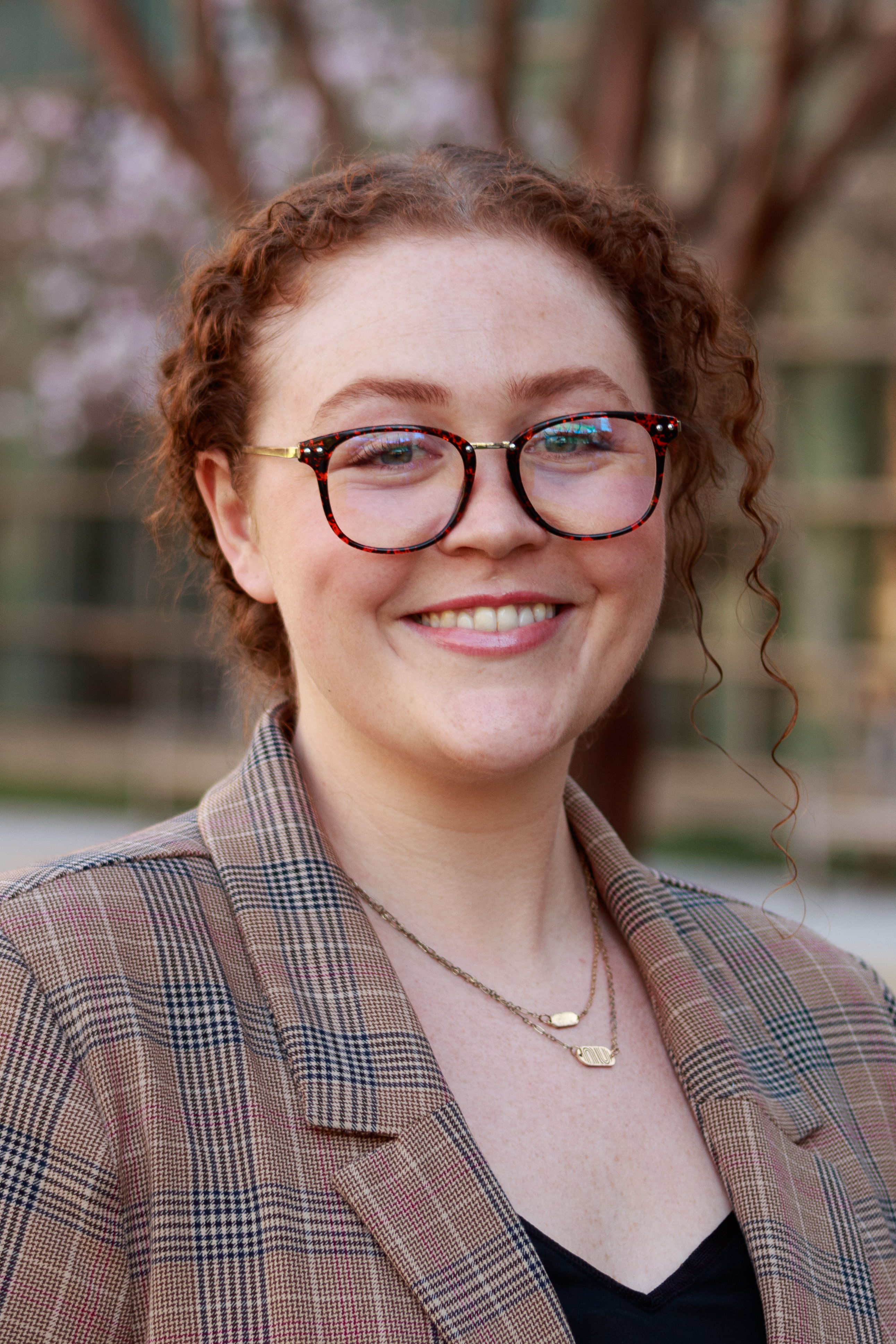
Eleanor Green is a Climate Fellow at GCC. She received her J.D. from Georgetown University Law Center where she worked as a staff editor on the Georgetown Environmental Law Review and conducted legal research on behalf of domestic conservation and international environmental law nonprofits. She also holds a Bachelor of Arts degree in Psychology from the University of Minnesota, Twin Cities.
Joe Kruger

Joe Kruger is an Affiliated Fellow at the Georgetown Climate Center. Joe served as GCC's Director for Research and Strategy from 2018-2024. Previously, Joe was a consultant to companies, non-profits, and state governments on climate policy and sustainability issues. From 2005-2014, he was a director at the Bipartisan Policy Center (BPC) and the National Commission on Energy Policy (BPC’s predecessor), where he led initiatives on power sector regulations, climate policy, and electric grid modernization and cybersecurity. In 2009, he took a leave of absence from BPC to serve as Deputy Associate Director for Energy and Climate Change at the White House Council on Environmental Quality. Earlier in his career, Joe worked at the Environmental Protection Agency, where he managed groups working on acid rain, climate policy, and technical assistance to foreign governments on air pollution and greenhouse gas reduction programs. Joe has also been a Visiting Fellow at Resources for the Future and an Environmental Social and Governance (ESG) analyst at the Investor Responsibility Research Center. Joe was a lead author of the Intergovernmental Panel on Climate Change (IPCC) Fourth Assessment Report, and he has written numerous publications on climate, energy, and environmental topics. He has an MPP from the University of California, Berkeley, and an A.B. in government and economics from Cornell.
Sidney Lee

Sidney Lee is a Climate Fellow in the Adaptation Program at the Georgetown Climate Center. She received her J.D. from The George Washington University Law School where she served as the Editor-in-Chief of the GW Journal of Energy and Environmental Law. Her previous experience includes legal research for environmental non-profit groups and local governments. Upon graduation, she was awarded the Charles and Kathryn Miller Environmental Law Award for excellence in the field of environmental law. She earned B.A.s in environmental studies and politics from the University of California, Santa Cruz.
Ryan Levandowski

Ryan Levandowski is an Institute Associate at the Georgetown Climate Center. His work focuses on tracking and analysis of clean vehicles and climate change mitigation policy at the nexus of federal and state government. Previously, Ryan has worked with the U.S. EPA Office of Enforcement and Compliance Assurance and NYU Law’s State Energy and Environmental Impact Center. He earned a J.D. from Georgetown University Law Center and graduated summa cum laude from George Washington University with a B.A. in English.
Pete Rafle
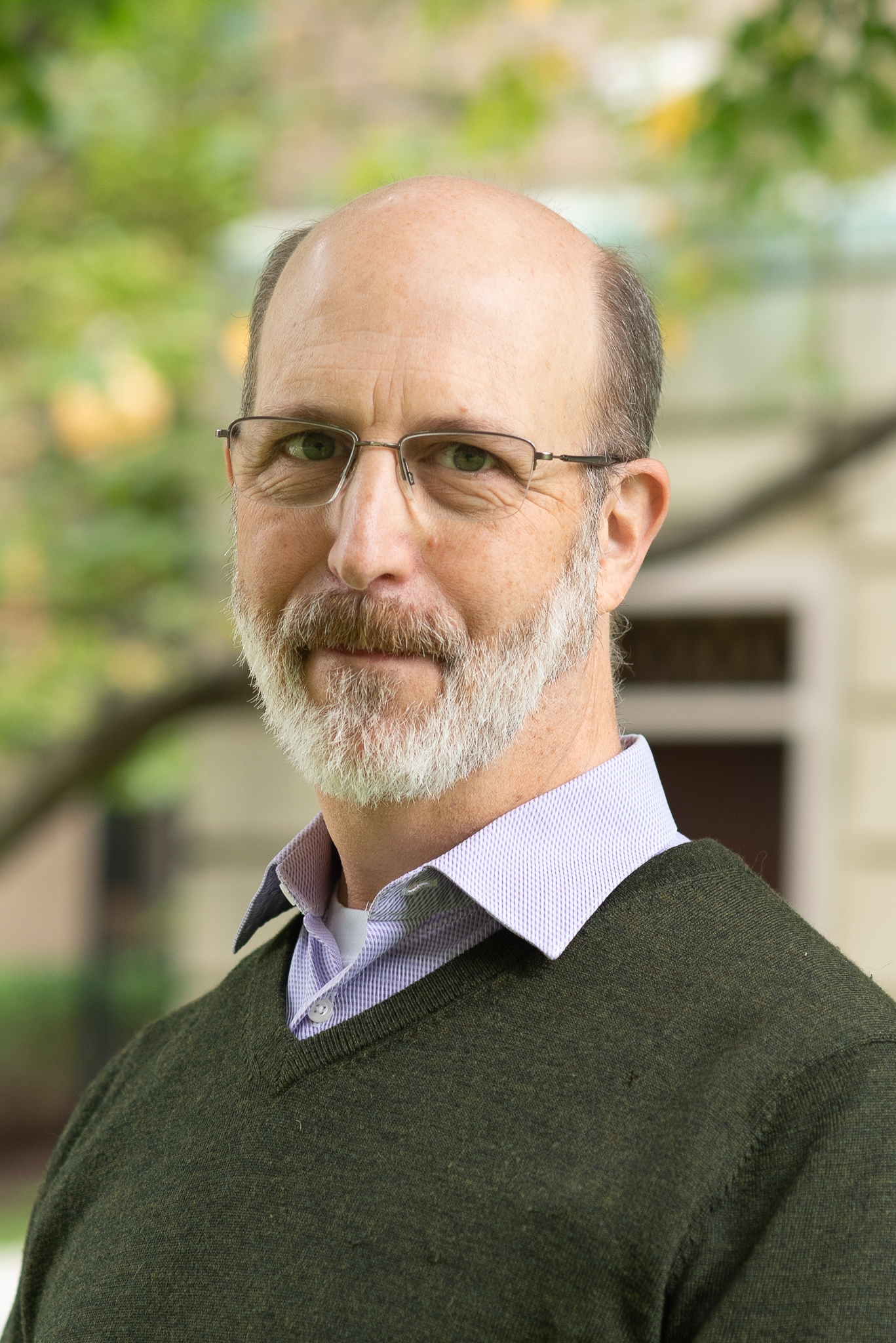
Pete Rafle is the Communications Director for the Georgetown Climate Center. Pete came to the Climate Center from Spitfire Strategies, where he provided communications and campaign planning counsel to the nation’s leading non-profits and foundations on issues ranging from climate change and agricultural policy to health care and criminal justice reform. He served as Communications Director for the Environment and Public Works Committee from 2007 to 2011, providing strategic counsel to Senator Barbara Boxer during her first two Congresses as Chairman of the Committee. In addition to acting as primary media strategist for the Committee’s legislative docket – including comprehensive climate change legislation, clean air and water bills, and transportation policy – he worked extensively with the Senator’s in-state staff on California environmental and infrastructure issues. Prior to his Senate service, he was Director of Advocacy Communications at The Wilderness Society and Communications Director for Trout Unlimited, where he also served as editor and publisher of Trout Magazine and producer of Trout Unlimited Television on ESPN2. Pete earned his B.A. in English at Yale University.
Joshua Saks
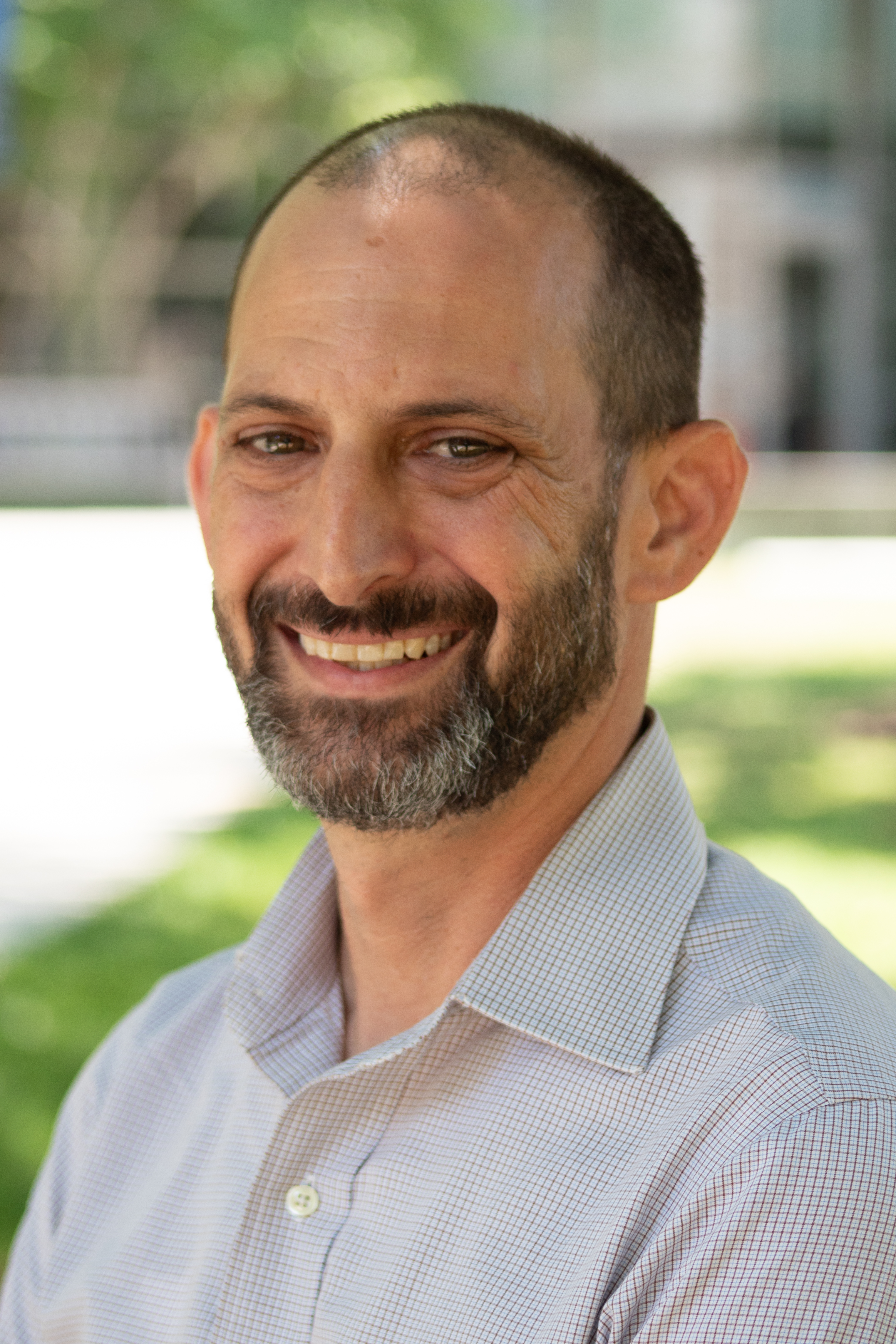
Joshua Saks is GCC’s Adaptation Program Director, overseeing its work in support of resilience, equity, and community-based solutions in local, state, Tribal, and federal law and policy. Before joining the GCC staff, Saks was the Natural Resources Director for the Pamunkey Indian Tribe, the first federally recognized tribe in Virginia. In this role, he worked closely with tribal leaders to support their efforts to address conservation issues including the resilience of the Tribe’s 1,700-acre reservation along the Pamunkey River. From 2018 to 2022, he served as the Deputy Secretary of Natural Resources for the Commonwealth of Virginia, where he played a pivotal role in establishing the state as a national leader in coastal resilience and climate adaptation. During his tenure, Saks spearheaded the development of the Virginia Coastal Resilience Master Plan, a comprehensive framework for protecting communities, ecosystems, and economies from the threats of sea-level rise, intensifying storms, and recurrent flooding. He also led the creation of the Virginia Community Flood Preparedness Fund, a groundbreaking program that has provided over $120 million in grants to local governments for flood mitigation and adaptation projects. For nearly a decade, he led the National Wildlife Federation’s federal advocacy efforts on climate change, water resources, and disaster response. He played a central role in shaping the 2016 Water Resources Development Act, securing provisions to modernize the nation's water infrastructure, restore vital ecosystems, and enhance community resilience. He also worked to advance reforms to the National Flood Insurance Program, advocating for policies that would promote nature-based solutions, risk-informed decision-making, and equitable adaptation.
Kimberly Smith
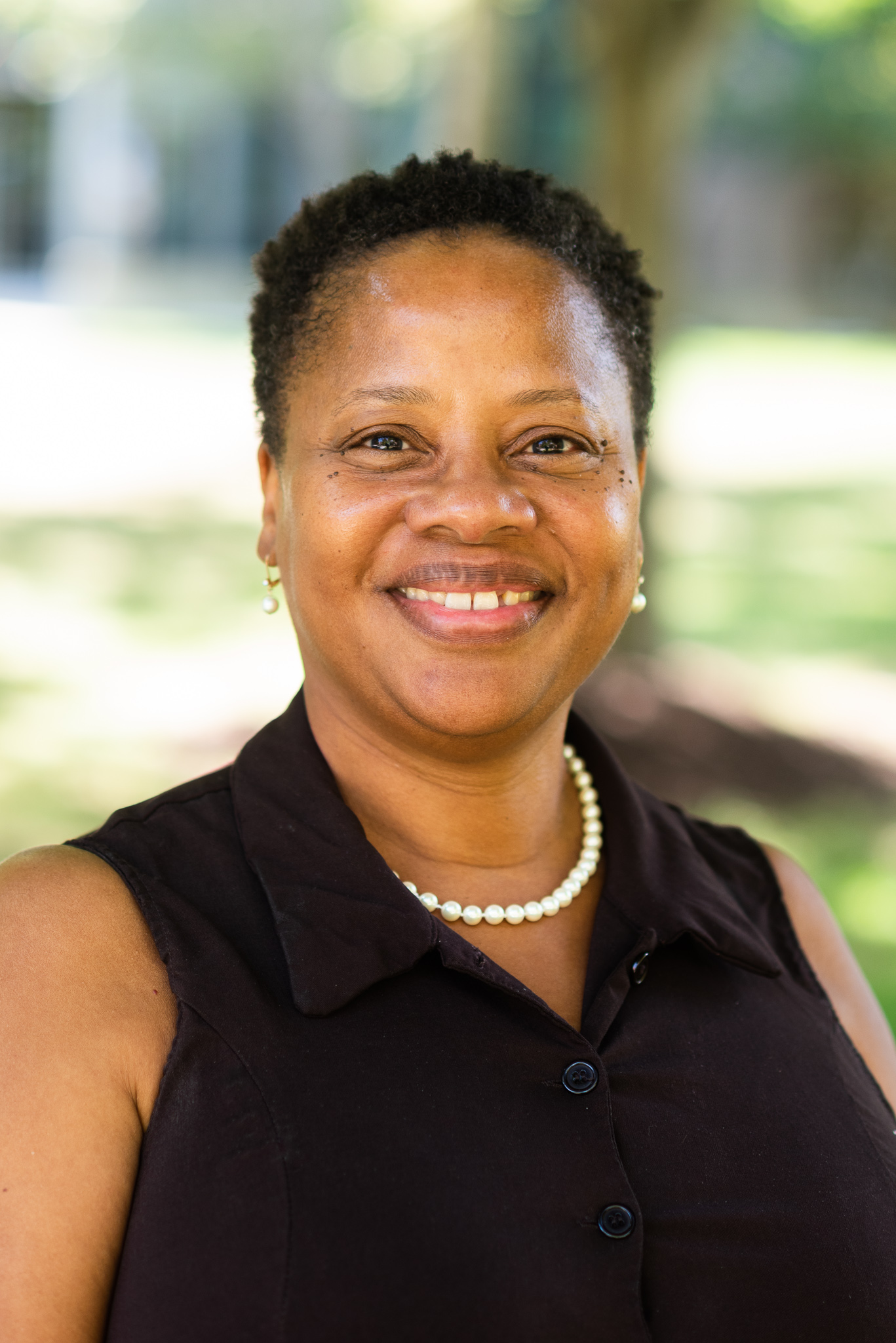
Kimberly Smith is GCC’s Director of Business Operations, responsible for managing the Climate Center’s financial, administrative, grants management, and human resources activities. A key member of the Climate Center’s leadership team, Kim comes to GCC with three decades of experience in research, education and scientific program management, including more than 15 years in higher education, managing federally funded programs. Most recently, Kim served as Assistant Director of the NOAA Cooperative Science Center in Atmospheric Sciences and Meteorology (NCAS-M), an award-winning interdisciplinary academic research and workforce development center at Howard University in Washington, D.C. Kim earned her B.S. and M.S. degrees in biology and microbiology at Howard, and she has taught biology at Howard and plant pathology at Virginia Tech.
Kathryn (Kate) Zyla

Kathryn (Kate) Zyla is the Executive Director of the Georgetown Climate Center, where she oversees the Center’s work at the nexus of climate and energy policy, supervising staff and student work on climate mitigation and adaptation at the state and federal level. She is also a senior lecturer at Georgetown University Law Center and faculty advisor for the student Georgetown Energy Law Group.
Zyla served as Deputy Director and Director of Research and Policy Analysis for the Climate Center from 2009-2018. Prior roles include Program Director, Northeast Policy, at Energy Foundation; Senior Associate in the Climate and Energy Program at the World Resources Institute; and Senior Research Fellow for Domestic Policy at the Pew Center on Global Climate Change. She has a BS in engineering from Swarthmore College, a Master of Environmental Management from the Yale School of the Environment, and a JD, cum laude, from Georgetown Law.
Zyla was appointed by Administrator Regan to the Environmental Protection Agency’s Mobile Sources Technical Review Subcommittee of the Clean Air Act Advisory Committee in 2022, has served as a Commissioner on the District of Columbia’s Commission on Climate Change and Resiliency since 2017, and was a member of the Engineering Advisory Council for Swarthmore College from 2013-2018. In 2016, she received the Clean Energy Education and Empowerment (C3E) Law and Finance Award, given by the Department of Energy, MIT Energy Initiative, and Stanford Precourt Institute for Energy.
Vicki Arroyo, Founding Executive Director

Vicki Arroyo is a Professor from Practice at Georgetown Law. From December 2008 until January 2021, Arroyo was the Executive Director of the Georgetown Climate Center at Georgetown Law. From January 2021 through November 2024, she was appointed by President Biden to serve as Associate Administrator for Policy at the U.S. Environmental Protection Agency, taking leave from Georgetown’s faculty.
As GCC’s founding Executive Director, Professor Arroyo oversaw the Center’s work at the nexus of climate and energy policy, supervising staff and student work on climate mitigation and adaptation at the state and federal level. She served as Special Advisor to the President of Georgetown University, and was previously Assistant Dean of Centers and Institutes. She was also a member of the faculty steering committee for the Georgetown Environment Initiative, a cross-campus effort to advance the interdisciplinary study of the environment in relation to society, scientific understanding, and sound policy.