



Informing Federal Standards to Reduce Carbon Pollution
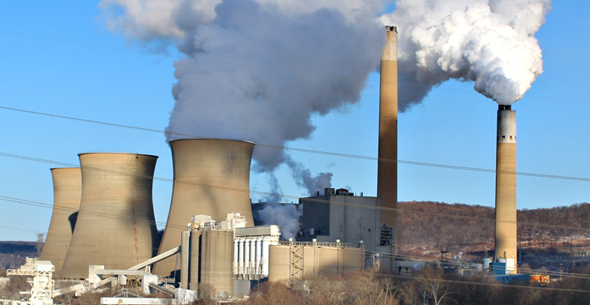
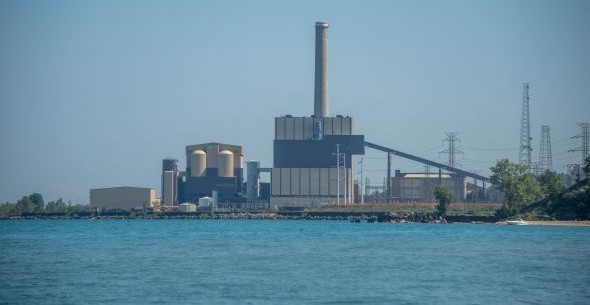
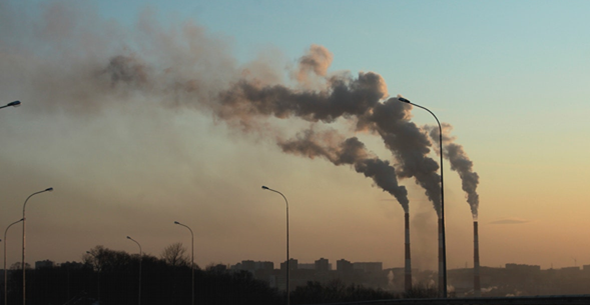
Georgetown Climate Center conducts legal and policy analysis, facilitates dialogues between federal and state agency leaders, and convenes states and stakeholders to inform the development of federal standards to reduce carbon pollution from the power sector. In December 2022, GCC submitted comments to the U.S. Environmental Protection Agency (EPA) on behalf of the Northeast and Mid-Atlantic Power Sector Policy Forum that expressed support for “strong standards of performance for existing coal-, oil- and natural gas-fired power plants” in order to significantly reduce greenhouse gas emissions from the electricity sector.
Convening States and Stakeholders
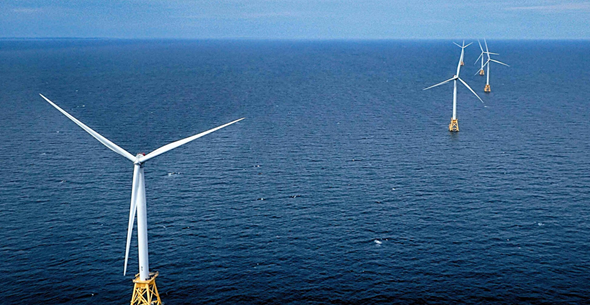
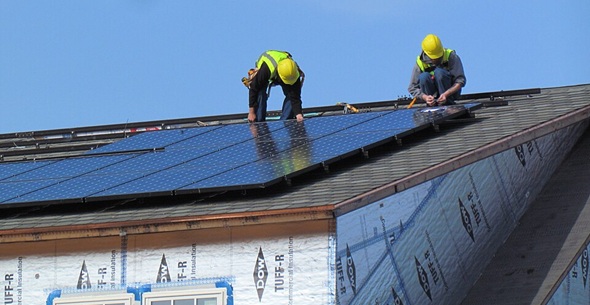
Georgetown Climate Center convenes states and other stakeholders to discuss opportunities for state leadership on climate and clean energy. The facilitation of regional and multi-state forums, including through the Conveners Network and the States Deployment Initiative, informs the development and implementation of federal policies and programs and serves as a resource for states. GCC’s Northeast and Mid-Atlantic Power Sector Policy Forum brings together state energy, environment, and utility regulatory agency officials in 11 states to support the transition to cleaner energy in the region.
Georgetown Climate Center also facilitates engagement by subnational leaders, including governors and state agency leaders, in international climate policy development.
Adaptation Clearinghouse: Energy Sector
An online database and networking site that serves policymakers and others who are working to help communities adapt to climate change. This page includes resources to help policymakers understand, plan, and prepare for impacts of climate change to the energy sector, ranging from changes in energy demand to preparing for threats to energy infrastructure.
Reducing Emissions from the Health Care Sector
With support from the Commonwealth Fund, the Georgetown Climate Center is reviewing federal and state energy policies that could help health care delivery organizations meet ambitious greenhouse gas reduction targets. This includes policies to reduce fossil-fuel use at health care facilities and shift to clean electricity, reduce transportation emissions from health care–related vehicles and fleets, increase resilience from extreme weather events and provide cleaner air for communities near health care delivery facilities, and drive reductions in supply chain emissions.
GCC Summary of RGGI Economic Benefits Analysis
November 15, 2011
An independent report released by the Analysis Group, a private consulting firm, found overall economic gains of more than $1.6 billion from the first three years of the operation of the Regional Greenhouse Gas Initiative, a regional greenhouse gas (GHG) cap-and-trade program implemented by 10 Northeast and Mid-Atlantic states. Georgetown Climate Center summarized key findings from the report.
Issue Brief: EPA's Forthcoming Performance Standards for Regulating GHG Pollution
September 20, 2011
EPA’s forthcoming regulation of greenhouse gases (GHGs) from power plants will reduce greenhouse gas pollution and drive cleaner generation in the electricity sector. The flexibility provided to states may also provide an opportunity for states to design programs that address their clean energy goals. This pre-proposal brief provides background information about the law and existing regulations and raises issues that states may want to consider in evaluating EPA’s proposal. States should look to the proposed rule for more information, as EPA’s approach to the regulations remains to be seen.
Comparing Legislative Proposals that Restrict the Regulation of Greenhouse Gases
April 1, 2011
Five proposals have been offered in the 112th Congress to date that would limit or eliminate federal agencies’ and states’ authority to regulate greenhouse gases. The Georgetown Climate Center has developed a side-by-side comparison of all five. Update: None of these proposals were adopted during the budget process.
What States Need to Know About EPA Climate Actions
January 7, 2011
This issue brief (pdf) summarizes recent regulatory actions, notes potential obstacles to EPA's efforts, and discusses the role that states will play in the regulatory programs under development.
Overview of Clean Energy Jobs and Oil Accountability Act
July 28, 2010
This overview of the Clean Energy Jobs and Oil Accountability act is focused on its impact on states.
The bill aims to reform offshore oil drilling regulation, strengthens tools to prepare for and respond to an oil spill, creates rebate and incentive programs for natural gas vehicles and electric vehicles, creates a national energy efficiency building retrofit rebate and financing program (Home Star), and funds the Land and Water Conservation Fund.
American Power Act Summary
May 18, 2010
Outlines the roles for states under the American Power Act. The 15-page summary outlines all provisions that affect states in the 987-page bill, including issues such as preemption, allowance allocation, treatment of state and regional allowances, transportation, adaptation, and other issues important to states.
Linking Regional Cap-and-Trade Programs: Issues and Recommendations
April 29, 2010
The Georgetown Climate Center has released a report exploring the potential to link the cap-and-trade programs of the Western Climate Initiative, the Midwest Greenhouse Gas Reduction Accord, and the Regional Greenhouse Gas Initiative.
Comparison of State Allocations in the Kerry-Boxer and Waxman-Markey Bills
January 5, 2010
This presentation provides a comparison of allowance allocations to states in the Kerry-Boxer (S.1733) and Waxman-Markey (H.R.2454) bills, which would both create a national cap-and-trade system to reduce greenhouse gas emissions.
Allocation Summary Tables for Waxman-Markey (H.R.2454)
July 17, 2009
These tables provide an overview of allowance allocations in the Waxman-Markey bill that passed the House of Representatives in June 2009.
Analysis of State and Consumer Allocations in Waxman-Markey (H.R.2454)
July 5, 2009
The GCC, working with the World Resources Institute, analyzed the distribution of allowances to states and energy consumers as contained in the Waxman-Markey bill. These charts detail state-by-state allocations to households, small businesses, industries and other interests, as well as allocations to states for clean energy and other programs.
States respond to release of final ACE rule, rollback of Clean Power Plan
June 19, 2019
On June 19, 2019, the Environmental Protection Agency under the Trump Administration announced a final regulation to be instituted in place of the Clean Power Plan, known as the Affordable Clean Energy Rule. Below are...
GCC Exec. Director Vicki Arroyo testifies before House Committee on Transportation and Infrastructure
March 5, 2019
View GCC Executive Director Vicki Arroyo's full testimony to the full House Committee on Transportation and Infrastructure for a hearing entitled "Examining How Federal Infrastructure Policy Could Help Mitigate and Adapt to Climate Change."
Collective State Comments on Proposed Repeal and Replacement of the Clean Power Plan
October 31, 2018
Leaders of environmental and energy agencies from a bipartisan group of states have repeatedly opposed the Trump Administration’s efforts to repeal and replace the Clean Power Plan and called for the Environmental Protection Agency (EPA) to implement a program that will meaningfully reduce carbon emissions from the power sector, as required by the Clean Air Act.
State Officials Oppose the Trump Administration's Proposal to Replace the Clean Power Plan
August 22, 2018
On Tuesday, August 21, 2018, the Trump Administration announced its proposal to replace the Clean Power Plan. Environment and energy agency leaders from 14 states sent a letter to EPA Acting Administrator Andrew...
12 States Encourage EPA to Implement a Meaningful Federal Program to Reduce GHG Emissions
February 28, 2018
On Monday, February 26, 2018, environmental and energy agency leaders from 12 states submitted comments urging the EPA to meaningfully regulate carbon dioxide emissions from power plants and to recognize the successful...
Georgetown Climate Center Testifies in Opposition to Proposed Repeal of the Clean Power Plan
November 29, 2017
The Georgetown Climate Center's Sarah Duffy testified on Nov. 29 in opposition to the EPA's proposed repeal of the Clean Power Plan at an EPA hearing in West Virginia. In a letter sent to EPA Administrator Scott Pruitt on Nov. 28, Vicki Arroyo, executive director of the Georgetown Climate Center, also urged the Trump Administration to expand opportunities for public input on its proposed repeal.
U.S. State Leadership at COP23
November 17, 2017
U.S. state leaders delivered a strong message to the rest of the world that cities, states, and businesses will continue to lead and do their part to deliver on U.S. commitments during the U.N. climate change talks this week in Germany. To help U.S. leaders deliver that message, the Georgetown Climate Center, The Climate Registry, and the Climate Action Reserve supported a delegation of 11 U.S. states, which included four U.S. governors. It was the largest delegation of U.S. states to ever attend the annual Conference of Parties (COP) climate talks.
State and Local Climate Leadership in the Trumpocene
October 18, 2017
In a special issue of the Carbon & Climate Law Review, Vicki Arroyo identifies steps that states and cities are taking that demonstrate their climate leadership in the face of the Trump Administration's assault on climate change policy.
State Reactions to Trump Repealing the Clean Power Plan
October 10, 2017
View statements made by state officials about the Trump Administration's decision to repeal the Clean Power Plan.
New Report Examines Policy Options for Cutting Carbon Emissions in New Jersey
September 21, 2017
A new report released by the Georgetown Climate Center, Rutgers, and World Resources Institute underscores that significant state actions will be necessary for New Jersey to meet its long-term target of reducing carbon emissions by 80 percent by 2050, and finds that New Jersey has many options to do so.