


About GCC's Adaptation Work
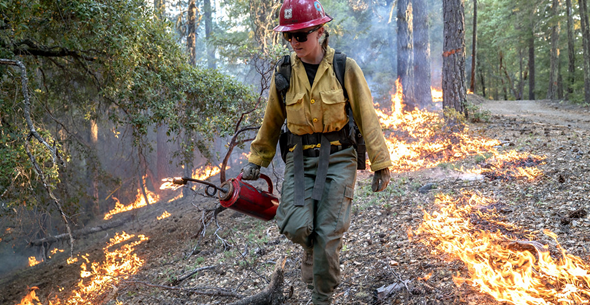
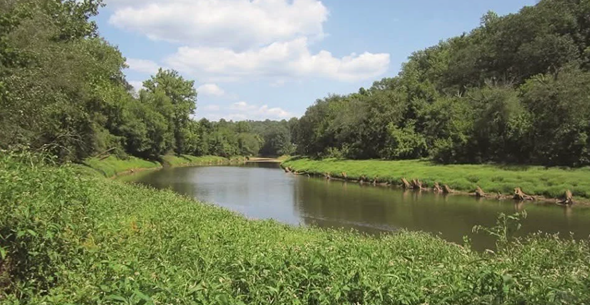
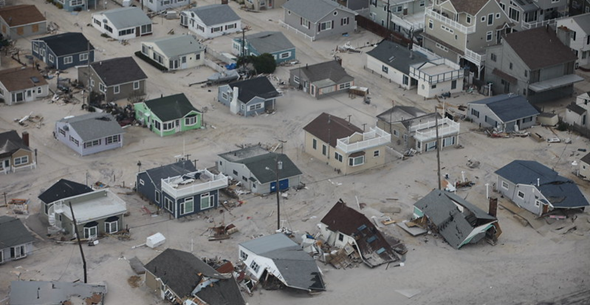
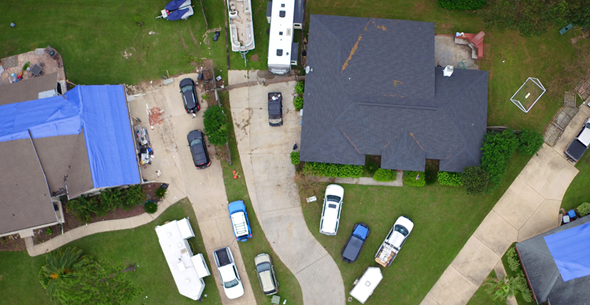
As floods, wildfires, droughts, and heat waves grow more frequent and more severe, state governments and municipal authorities are increasingly on the front lines in preparing for and dealing with the impacts of climate change. Planning for and responding to these climate driven risks requires public officials across the country to develop and implement new approaches, expertise, capacity and policy responses. The Georgetown Climate Center's Adaptation Program supports climate adaptation policymaking at every level of government through practical policy guidance, convening, and strategic implementation support, with a particular focus on responding to the growing risks of flooding, wildfire, extreme heat, and drought.
Supporting adaptation policymaking
GCC works to provide legal and policy analysis as states and communities develop and implement their adaptation plans and strategies. Examples include:
- Supporting the development of better governance structures for adaptation policy through research and analysis, and envisioning new approaches and policy options that boost resilience and adaptation.
- Analyzing federal and state programs to help policymakers invest public resources carefully, purposefully, and in ways that provide the greatest and most durable benefit to communities that need it most.
- Working to enable laws, policies, and programs that encourage smart land-use planning, minimize new development in unsafe places and help at-risk communities adapt. This includes land use, zoning, and conservation policies that reduce dangers to communities and steer development away from risky areas like special flood hazard areas and the wildland-urban interface.
Sharing effective tools, models, and resources
To foster productive public conversations about climate risk and what should be done about it, we publish original research and curate online resources that people and communities can use to understand these ideas. Each installment of our Adaptation Policy in Practice series spotlights one of the nation’s most effective state-level climate adaptation initiatives, presenting practical models for leaders building comprehensive adaptation programs. GCC also prepares and publishes toolkits on adaptation planning and implementation, and provides information on adaptation efforts at all levels of government through our State Adaptation Progress Tracker and our Adaptation Clearinghouse database. Together these tools give policymakers and advocates instant access to thousands of laws, reports, case studies, policy examples, and other resources relating to climate change impacts and adaptation.
Convening adaptation professionals to learn from experts and each other
GCC brings together practitioners from across the country both in person and virtually to share their experiences and learn from each other. Every other month, our State Policy Forum leverages the lessons from our Adaptation Policy in Practice series, hosting a focused conversation with leaders of an exemplary state adaptation initiative as a model for other states to consider. Our Regional Collaboratives Forum harnesses the power of regional collaboration on a national scale, connecting more than 35 regional climate collaboratives and networks to share strategies and learn from one another. These opportunities help states and communities learn from their peers working on similar issues, and help practitioners at all levels of government build new partnerships and collaborate more effectively.
Preparing future adaptation leaders
We also provide opportunities for Georgetown Law and Georgetown University students to gain real-world experience in the development of climate adaptation policy through legal and policy research and writing, and engagement with partner jurisdictions.
If you have questions about our work or partnering with us, please email climate@georgetown.edu.
Obama Administration Releases Report on How Federal Agencies Can Support State and Local Adaptation Efforts
November 17, 2014
The Obama Administration released a report today that details how federal agencies can use existing programs to support, state, local, and tribal adaptation efforts.
The report includes recommendations from the State, Local, and Tribal Leaders Task Force on Climate Preparedness and Resilience. Many of the recommendations in the report to help communities prepare for climate change also draw from the 100 recommendations for federal action that the Georgetown Climate Center released in September.
New Georgetown Climate Center Reports Highlight Adaptation Efforts Underway and Lessons Learned
July 18, 2014
The Georgetown Climate Center recently released three new reports to help communities better prepare for climate change impacts and extreme weather. These reports contain good ideas for promoting resilience and...
This week the Obama Administration released the third National Climate Assessment, a comprehensive report on climate change projections and impacts in the United States. The report, which updates the second...
Georgetown Climate Center Announces Support for Nine Adaptation Projects
April 10, 2014
More than 30 states, localities, and NGOs from across the country recently submitted requests to the Georgetown Climate Center for legal and policy support to assist them with projects to prepare their communities for...
Senate Hearing Calls Attention to the Need to Prepare for Extreme Weather
February 13, 2014
As communities across the country prepare for and recover from winter storms, the Senate Committee on Homeland Security and Governmental Affairs hosted a hearing on the costs of extreme weather events. Senator Tom...
Understanding New Jersey's Vulnerability to Climate Change
February 12, 2014
New Jersey residents are no strangers to the escalating impacts of climate change. Rising sea levels mean future hurricanes will produce more severe damage, such as the damage produced by Hurricane Sandy....
President Obama Establishes Task Force and Council on Climate Change Preparedness
November 1, 2013
President Obama signed an executive order today, directing federal agencies to modernize their programs to support climate-resilient investments, manage lands and waters for climate resilience, provide information,...
Baltimore Adopts New Hazard Mitigation Plan, Making Climate Change Part of Future Capital and Budget Decisions
October 6, 2013
Recognizing the city’s vulnerability to climate change, Baltimore officials have incorporated planning for sea-level rise, urban heat, and extreme storms into its new hazard mitigation plan. The new approach...
Delaware Gov. Markell Signs Executive Order to Reduce Emissions and Help State Prepare for Climate Change
September 13, 2013
On Sept. 12, 2013, Governor Jack Markell signed Executive Order 41, “Preparing Delaware for Emerging Climate Impacts and Seizing Economic Opportunities from Reducing Emissions.” The order creates a...
Hurricane Sandy Task Force Releases Rebuilding Strategy
August 10, 2013
On August 9, 2013, the Hurricane Sandy Task Force released its Hurricane Sandy Rebuilding Strategy. The report includes 69 recommendations for rebuilding communities affected by Hurricane Sandy in ways that...