


About GCC's Adaptation Work
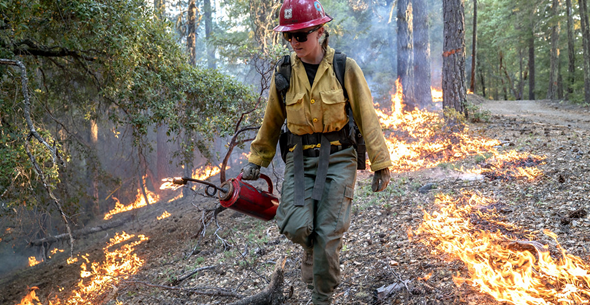
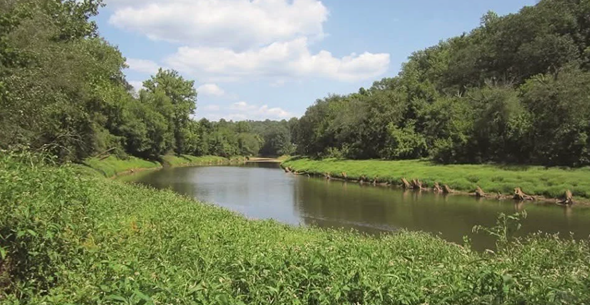
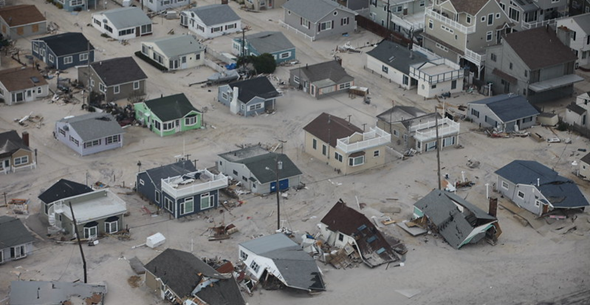
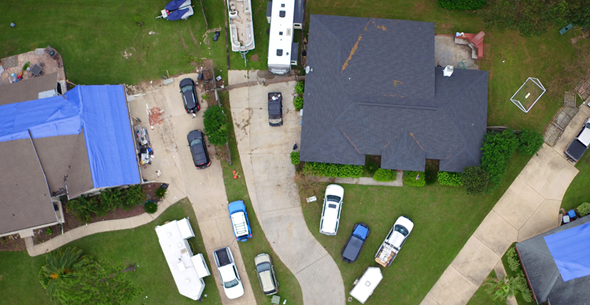
As floods, wildfires, droughts, and heat waves grow more frequent and more severe, state governments and municipal authorities are increasingly on the front lines in preparing for and dealing with the impacts of climate change. Planning for and responding to these climate driven risks requires public officials across the country to develop and implement new approaches, expertise, capacity and policy responses. The Georgetown Climate Center's Adaptation Program supports climate adaptation policymaking at every level of government through practical policy guidance, convening, and strategic implementation support, with a particular focus on responding to the growing risks of flooding, wildfire, extreme heat, and drought.
Supporting adaptation policymaking
GCC works to provide legal and policy analysis as states and communities develop and implement their adaptation plans and strategies. Examples include:
- Supporting the development of better governance structures for adaptation policy through research and analysis, and envisioning new approaches and policy options that boost resilience and adaptation.
- Analyzing federal and state programs to help policymakers invest public resources carefully, purposefully, and in ways that provide the greatest and most durable benefit to communities that need it most.
- Working to enable laws, policies, and programs that encourage smart land-use planning, minimize new development in unsafe places and help at-risk communities adapt. This includes land use, zoning, and conservation policies that reduce dangers to communities and steer development away from risky areas like special flood hazard areas and the wildland-urban interface.
Sharing effective tools, models, and resources
To foster productive public conversations about climate risk and what should be done about it, we publish original research and curate online resources that people and communities can use to understand these ideas. Each installment of our Adaptation Policy in Practice series spotlights one of the nation’s most effective state-level climate adaptation initiatives, presenting practical models for leaders building comprehensive adaptation programs. GCC also prepares and publishes toolkits on adaptation planning and implementation, and provides information on adaptation efforts at all levels of government through our State Adaptation Progress Tracker and our Adaptation Clearinghouse database. Together these tools give policymakers and advocates instant access to thousands of laws, reports, case studies, policy examples, and other resources relating to climate change impacts and adaptation.
Convening adaptation professionals to learn from experts and each other
GCC brings together practitioners from across the country both in person and virtually to share their experiences and learn from each other. Every other month, our State Policy Forum leverages the lessons from our Adaptation Policy in Practice series, hosting a focused conversation with leaders of an exemplary state adaptation initiative as a model for other states to consider. Our Regional Collaboratives Forum harnesses the power of regional collaboration on a national scale, connecting more than 35 regional climate collaboratives and networks to share strategies and learn from one another. These opportunities help states and communities learn from their peers working on similar issues, and help practitioners at all levels of government build new partnerships and collaborate more effectively.
Preparing future adaptation leaders
We also provide opportunities for Georgetown Law and Georgetown University students to gain real-world experience in the development of climate adaptation policy through legal and policy research and writing, and engagement with partner jurisdictions.
If you have questions about our work or partnering with us, please email climate@georgetown.edu.
New Guidance Directs Federal Agencies to Assess GHG Emissions, Climate Impacts in Environmental Reviews
August 2, 2016
On August 2, 2016, the White House Council on Environmental Quality released final guidance on how federal agencies are to incorporate climate change considerations in their review of federal “actions” under the National Environmental Policy Act.
Adaptation Clearinghouse 2.0 Launches With Powerful New Tools for Adaptation Professionals
July 14, 2016
The Adaptation Clearinghouse was re-launched today with new tools to assist state policymakers, resource managers, academics, and others who are working to help communities adapt to climate change.
HUD to require consideration of climate change in Consolidated Plans
June 15, 2016
The Housing and Urban Development Department (HUD) is seeking comment on a proposed rule that would, for the first time, ask states and localities to take natural hazards and climate change into account in their long-range plans for affordable housing and community development. Public comments on the proposed rule are due July 18, 2016.
Huffington Post Op-Ed: Lessons learned from rebuilding New Orleanns
August 27, 2015
Georgetown Climate Center Executive Director Vicki Arroyo wrote an op-ed published in The Huffington Post about New Orleans' revival after Hurricane Katrina devastated the city 10 years ago. New Orleans' recovery efforts, Arroyo explains, offer lessons for all communities that use federal disaster recovery dollars to rebuild, adapt, and thrive in the aftermath of climate-related disasters--and ideally, to prepare in advance of such events and avoid the most dire consequences.
Case Studies in Building Community Resilience
August 19, 2015
Explore how sub-national jurisdictions (municipalities, states, and special administrative regions) in the United States and China are taking action to build resilience to natural hazards, extreme weather, and climate change with a series of new case studies produced by the Georgetown Climate Center and Georgetown faculty.
Metro-Boston cities collaborate on climate preparedness
May 21, 2015
Mayors from fourteen cities in the metropolitan Boston region signed a Metro Boston Climate Preparedness Commitment on May 13, 2015, agreeing to collaborate to prepare the region for the impacts of climate change. The fourteen municipalities will work together to coordinate actions necessary for adapting transboundary critical infrastructure systems, to develop best practices for local governments and policy recommendations for state and federal partners, and to identify funding and investment solutions to take regional action.
Delaware Releases Plan to Cut Carbon Pollution and Prepare for Climate Change
March 4, 2015
Governor Jack Markell released a plan to combat climate change this week, calling for a 30 percent cut in carbon pollution by 2030 and outlining a framework to help the state better prepare for the future impacts of climate change.
Transportation plans to require consideration of climate change
March 2, 2015
On February 20, 2015, the Federal Highway Administration (FHWA) issued a notice of proposed rulemaking (NPRM) that would establish a process for state departments of transportation (state DOTs) to include consideration of climate change and extreme weather-related risks in the development of asset management plans, which are required under the Moving Ahead for Progress in the 21st Century Act (MAP-21).
Obama Executive Order Sets New Flood Elevation Standards for Federal Projects
January 30, 2015
President Obama signed an executive order today directing federal agencies to adopt new flood elevation standards for the siting, design, and construction of federal projects.
The new Federal Flood Risk Management Standard will ensure that current and future flood risk, anticipated to increase due to climate change and sea-level rise, will be taken into account in the development of federal projects. The standard is expected to save taxpayers money in the long run by reducing federal disaster assistance spending following extreme weather events.
Lessons Learned from the Great American Adaptation Road Trip
January 26, 2015
After visiting more than 30 communities across the U.S. that are preparing for climate change, two enterprising young authors identify six big lessons from ongoing adaptation work in a new report recently released by the Georgetown Climate Center.