






Informing Federal Standards to Reduce Carbon Pollution
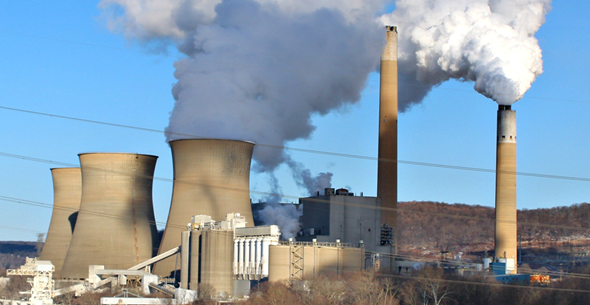
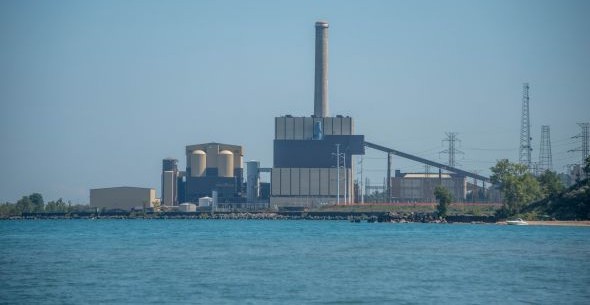
Georgetown Climate Center conducts legal and policy analysis, facilitates dialogues between federal and state agency leaders, and convenes states and stakeholders to inform the development of federal standards to reduce carbon pollution from the power sector. In December 2022, GCC submitted comments to the U.S. Environmental Protection Agency (EPA) on behalf of the Northeast and Mid-Atlantic Power Sector Policy Forum that expressed support for “strong standards of performance for existing coal-, oil- and natural gas-fired power plants” in order to significantly reduce greenhouse gas emissions from the electricity sector.
Convening States and Stakeholders
Georgetown Climate Center convenes states and other stakeholders to discuss opportunities for state leadership on climate and clean energy. The facilitation of regional and multi-state forums, including through the Conveners Network and the States Deployment Initiative, informs the development and implementation of federal policies and programs and serves as a resource for states. GCC’s Northeast and Mid-Atlantic Power Sector Policy Forum brings together state energy, environment, and utility regulatory agency officials in 11 states to support the transition to cleaner energy in the region.
Georgetown Climate Center also facilitates engagement by subnational leaders, including governors and state agency leaders, in international climate policy development.
Adaptation Clearinghouse: Energy Sector
An online database and networking site that serves policymakers and others who are working to help communities adapt to climate change. This page includes resources to help policymakers understand, plan, and prepare for impacts of climate change to the energy sector, ranging from changes in energy demand to preparing for threats to energy infrastructure.
Reducing Emissions from the Health Care Sector
With support from the Commonwealth Fund, the Georgetown Climate Center is reviewing federal and state energy policies that could help health care delivery organizations meet ambitious greenhouse gas reduction targets. This includes policies to reduce fossil-fuel use at health care facilities and shift to clean electricity, reduce transportation emissions from health care–related vehicles and fleets, increase resilience from extreme weather events and provide cleaner air for communities near health care delivery facilities, and drive reductions in supply chain emissions.
Reid's Decision Leaves Climate Action to EPA and States for Now
July 23, 2010
Citing a lack of bipartisan support Senate Majority Leader Harry Reid announced Thursday that upcoming energy legislation won’t include a cap on carbon emissions or a renewable energy standard. Instead, the Senate will...