


Improving the emissions performance of our transportation system
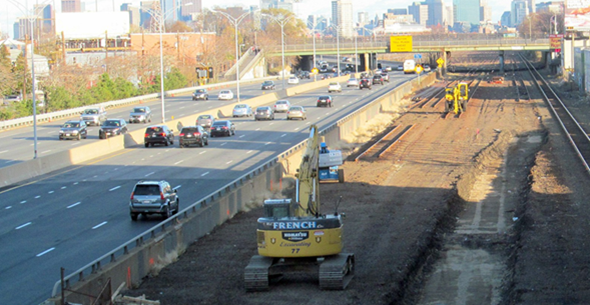
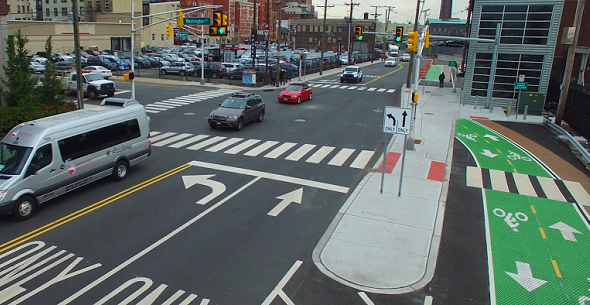
Transportation is the largest source of GHG emissions in the US, accounting for 27% of annual emissions in 2020. GCC works at the nexus of federal-state transportation policy to help inform government initiatives that leverage a broad range of strategies to reduce emissions, including light-duty and heavy-duty vehicle electrification, improved transit, and other lower-carbon, more accessible, and safer transportation options. GCC convenes multi-state and regional policymakers, supports federal and state regulatory policy development, and informs the equitable and effective implementation of state and federal legislation. GCC also supports state and federal efforts to ensure transportation investments benefit communities that have been disproportionately harmed by transportation pollution and underserved by the existing transportation system.
Informing transportation investment decisions
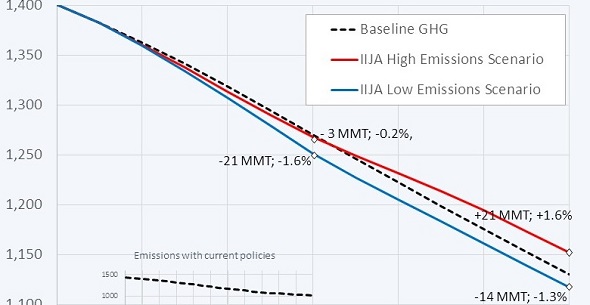
Modeling and Analysis: To inform the national conversation around how best to spend the billions of dollars in federal and state transportation funding, we analyzed the Bipartisan Infrastructure Law using our Transportation Investment Strategy Tool and assessed the potential effects of each of the bill’s surface transportation provisions on emissions outcomes at the national and state levels. We found IIJA could be an important part of the U.S. response to climate change. Or it could lead to more greenhouse gas pollution than the trajectory we are currently on. Where the actual outcome falls within that range will depend on the decisions made by state, federal, and local governments about how to spend the money made available by IIJA.
We partnered with Cambridge Systematics to develop a free online tool – the Transportation Evaluation and Carbon Reduction Tool (TEA-CART) – to help practitioners in state and local departments of transportation quickly assess how investments in their capital plans could affect the future emissions performance of the transportation system.
Legal analysis on flexibility of funding: States have considerable flexibility in how to invest federal transportation funds, and we are providing legal and policy analysis to help state and federal policymakers and stakeholders determine how funds can best be directed toward projects that reduce climate-warming pollution.
Accelerating vehicle electrification
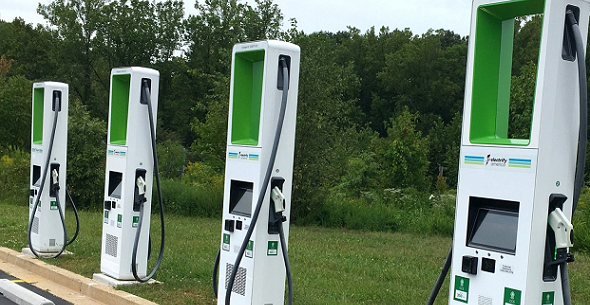
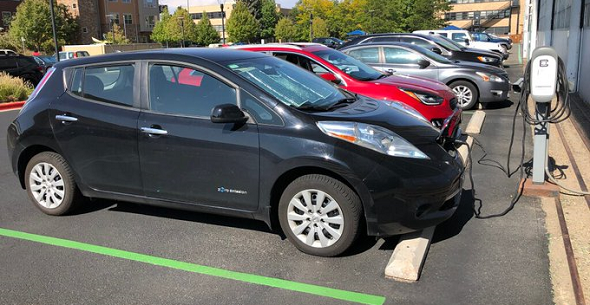
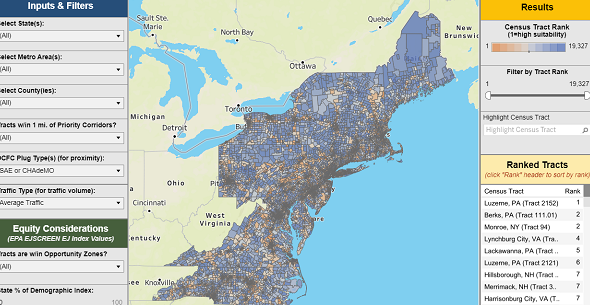
Electric vehicles (EVs) have enormous potential to reduce harmful air pollution and greenhouse gas (GHG) emissions from transportation. GCC has developed legal and policy analysis to inform state and federal investments in EV charging infrastructure, along with mapping and analysis tools to inform discussions between policymakers, local communities, and other stakeholders in considering priority locations for EV fast charging infrastructure investments, including the places most affected by pollution and underserved by existing transportation systems.
Convening states to focus on the GHG performance of federal highways
GCC conducts analysis and convenes states and other stakeholders from across the nation to support the development of federal transportation programs and regulations, with a focus on the performance of the federal highway system. GCC works to inform federal policy with the perspectives and lessons learned from states, including by publishing white papers and policy analyses and facilitating multi-state comment letters.
Expanding community-level air quality monitoring
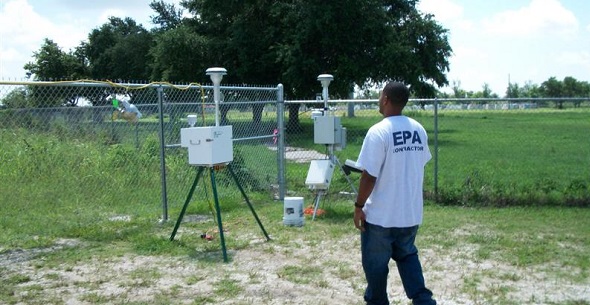
Community and environmental justice advocates have long called for more air quality monitoring in their neighborhoods, and a growing number of political leaders at the federal, state, and local levels of government are now taking responsive actions. To help state agencies respond to community needs, expand community-level air monitoring programs, and achieve the equity and environmental justice goals of their air quality, climate, and clean energy programs, GCC facilitates the Air Quality Monitoring Workgroup (AQMWG). This community of practice among state agency officials in the Northeast and Mid-Atlantic region shares information and best practices regarding community-based air quality monitoring and related policy actions.
Facilitating Northeast and Mid-Atlantic state collaboration
GCC serves as the facilitator and convenor of state transportation, energy, and environment agencies from the Northeast and Mid-Atlantic region working to develop low-carbon transportation policies. This work includes multi-state efforts to consider GHG emissions in transportation investment planning processes, coordinate and support regional electric vehicle (EV) charging infrastructure deployment, build state and local capacity for air quality monitoring, and develop regional low-carbon transportation policies.
175 Case Studies Show How Communities Are Preparing Our Roads, Airports, and Transit Systems for Climate Change
February 18, 2015
One hundred and seventy-five case studies demonstrate how leaders are responding to the growing threats that climate change impacts pose to America’s roads, airports, transit systems, and infrastructure.
The case studies highlight some of the most innovative approaches being adopted around the country for considering climate change at all stages of decision-making: planning, design, construction, and operations and maintenance.
These case studies were written by the Georgetown Climate Center with support from the Federal Highway Administration.
Georgetown Climate Center Releases Report on Best Practices from State PEV Programs
January 15, 2015
The Georgetown Climate Center has released a report that captures best practices in state-sponsored plug-in electric vehicle (PEV) programs, and lessons in PEV program development and implementation that may serve as models to other states.
White House Announced New Commitments to Support Electric Vehicles
November 19, 2014
On November 18, the White House and the Edison Electric Institute announced new commitments made by electric utilities and other organizations to support the deployment of electric vehicles nationwide. 70 utilities committed to spend at least 5% of their annual fleet acquisition budgets on purchasing electric vehicles, and over 60 new businesses, schools and nonprofit organizations committed to install workplace charging stations for their employees.
Eight States Announce Sales of Electric Vehicles Have Surpassed 250,000
October 23, 2014
Representatives from states that signed the zero emission vehicle memorandum of understanding (ZEV MOU) announced that over 250,000 plug-in electric vehicles have been sold nationwide. The ZEV MOU signatories (California, Connecticut, Maryland, Massachusetts, New York, Oregon, Rhode Island, and Vermont) gathered at the California Air Resources Board meeting in Diamond Bar, California, to announce this milestone and reaffirm their commitment to putting 3.3 million zero-emission vehicles on the road in their states by 2025.
Indicators to Measure Progress in Promoting Sustainable Communities
June 23, 2014
In support of the Transportation and Climate Initiative’s Sustainable Communities’ work, the Georgetown Climate Center and Rutgers University's Bloustein School of Planning and Public Policy released research papers examining 11 potential indicators that could help measure progress in promoting sustainable communities and demonstrate the benefits of such policies.
Northeast States Continue Work on Reducing Carbon Pollution from the Transportation Sector
June 17, 2014
State transportation, energy, and environment officials from northeastern states gathered June 3-5 for the fifth annual Transportation and Climate Initiative (TCI) meeting to continue their efforts to reduce carbon pollution from the transportation sector while boosting the clean energy economy.
The sessions included discussions on a wide array of potential policy paths that would help the 12 TCI jurisdictions (CT, DC, DE, MA, MD, ME, NJ, NH, NY, PA, RI, and VT) achieve these goals.
Eight States Release Action Plan to put 3.3 Million Zero Emission Vehicles on the Road
May 30, 2014
On May 29, eight states released an action plan to develop infrastructure, coordinate policies, codes and standards, and help develop a consumer market to put 3.3 million zero emission vehicles (ZEVs) on the road by 2025.
Governors from Eight States Pledge to put 3.3 Million Zero-Emission Vehicles on the Road by 2025
October 28, 2013
Governors from eight states signed an agreement October 24 to build a strong national market for zero-emission vehicles.
ArrivalStar Agrees to Stop Suing Public Transit Agencies Over Use of Real-Time Travel Data
August 26, 2013
Due to a recent legal settlement, 1 transit agencies across the country will now be able to provide real-time travel data to the public without fear of litigation. This real-time data is used to provide bus and train arrival times and information on travel delays through mobile devices, the internet, and digital displays at rail stations and bus stops, and has been shown to help increase transit use.
TCI Releases Report on the Status of Electric Vehicles in the Northeast
September 7, 2012
The Transportation and Climate Initiative released a market overview and literature review today that provides an overview of plug-in electric vehicle (PEV) deployment in the Northeast and Mid-Atlantic states.
- « First Page
- 1
- 2
- 3
- 4
- 5
- 6
- 7
- 8
- Last Page »